Here's the thing nobody mentions
After years of partnered sex, solo sex can feel weirdly foreign. Not because your body forgot how to feel good, but because the context shifted. You're not performing anymore. You're not syncing to someone else's rhythm. You're not managing another person's pleasure at the same time as your own. That freedom can actually feel paralyzing at first.
I see this constantly in my practice with people navigating divorce, breakups, or the end of long-term relationships. They know they're supposed to enjoy masturbation. They used to before the relationship. But somewhere along the way, solo pleasure got sidelined, and now returning to it feels like learning from scratch. The good news: it's not. You just need permission, the right approach, and honestly, a tool that makes rediscovery feel intentional rather than desperate.
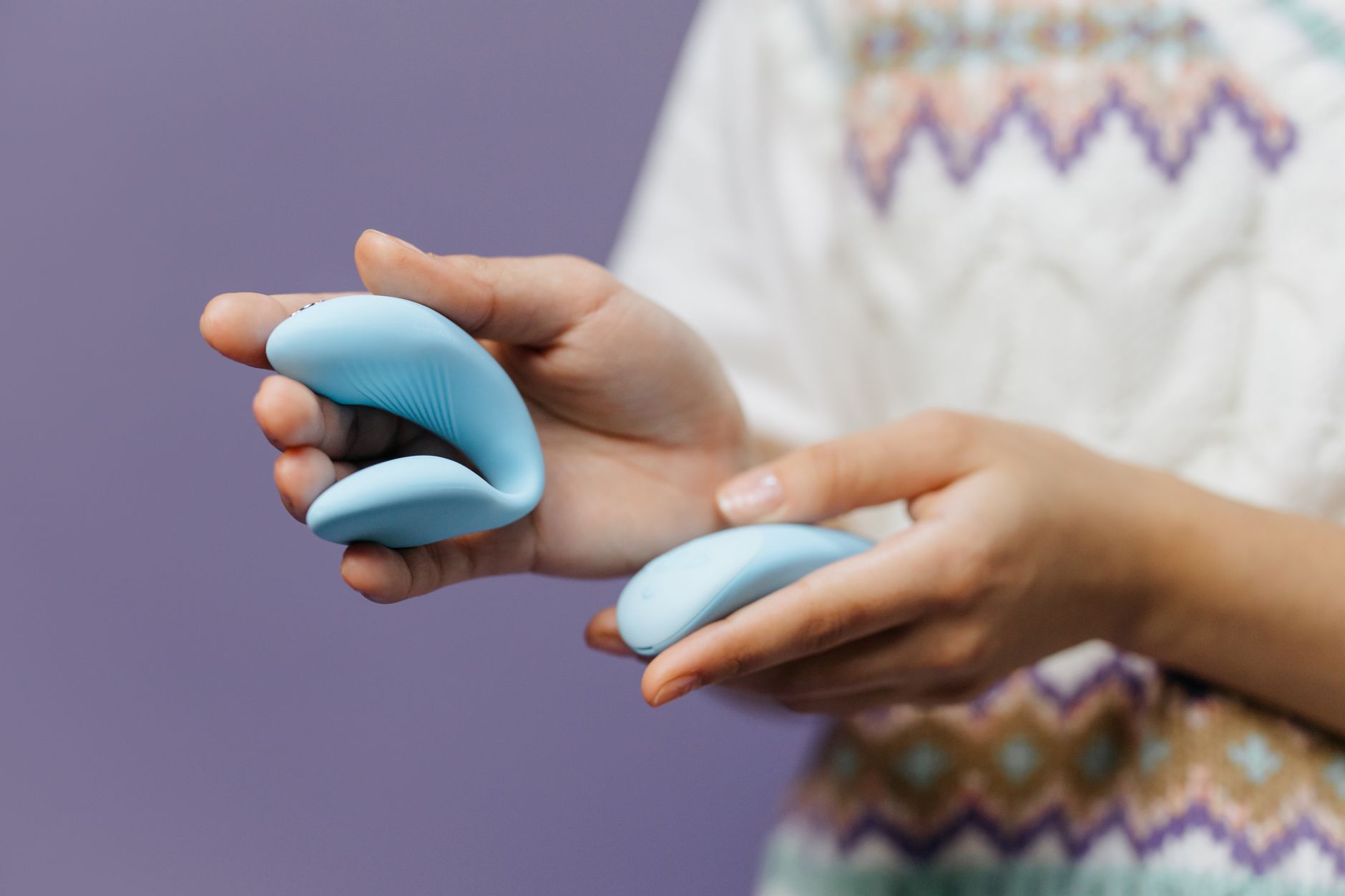
Lemon clitoral vibrators are specifically good for this transition because they're designed for precision and control. You're not guessing or performing. You're exploring.
Why your brain makes solo sex harder than it should be
For years, your sexuality was partnered. That means your arousal pathway got trained to involve another person. Anticipation, responsiveness, feedback, timing. All external cues. Now those cues are gone, and your brain has to relearn how to self-initiate without feeling lonely or wrong or like you're settling.
This is normal neurology, not a personal failure. The neural patterns around pleasure and partnership run deep. Breaking them isn't about willpower. It's about creating new context. A lemon clitoral vibrator does that instantly. It signals to your brain: this is intentional. This is for me. This is different from partnered sex, and that's the whole point.
Adding an external device also removes the pressure to "perform" for yourself the way you might unconsciously be doing. You're not trying to make it happen. You're letting it happen through a tool designed for your anatomy.
The permission piece (the real blocker)
Honestly though, the hardest part isn't physical. It's the guilt or awkwardness that comes with solo pleasure after years of partnership. Some people worry it means they don't want their ex enough. Others feel like they're being unfaithful to a new relationship by taking solo time. Some just feel selfish.
Let me be direct: solo pleasure is not a statement about your relationship status or your feelings for anyone else. It's a statement about your right to your own body. Full stop.
When you use a lemon clitoral vibrator for yourself, you're not replacing partnered sex or saying anything negative about anyone. You're saying yes to something you deserve. That permission shift is often bigger than the physical shift, and it's where the real change starts.
How to actually restart
Four steps that work:
1. Pick a time when you're not tired or rushed. Solo pleasure after partnership often fails because people try it when they're running on fumes. Your body needs real attention, not a guilty quickie before bed. Give yourself 20 to 30 minutes of actual free time.
2. Remove the comparison. Your partnered sex might have looked a certain way. Your solo exploration doesn't have to. You don't need a partner's rhythm or preferences. You can slow down. Speed up. Stop and restart. Change your mind three times. There's no audience.
3. Start with your lemon clitoral vibrator on a lower setting. This isn't about intensity. It's about reconnection. Let your body remember what good feels like without the pressure to reach an orgasm immediately. Some sessions might be about sensation. Some might be about arousal building. Some might not go anywhere, and that's fine too.
4. Stay present. After years of partnership, your brain might wander to practical stuff. That's natural. When you notice it, gently return attention to what you're feeling physically. Sensation, warmth, buildup, rhythm. Nothing else needs to happen right now.
What changes about arousal patterns
When you've spent years having partnered sex, arousal can feel quick and responsive because of external stimulation and anticipation. Solo arousal sometimes feels slower because there's no build from another person's touch or energy. That's not dysfunction. That's just a different neural pathway.
Lemon clitoral vibrators help bridge that gap because suction and vibration patterns stimulate in ways hands alone can't replicate. You get external input without another person, which lets your brain stay in your own experience while still feeling actively stimulated.
Many people report that returning to solo sex with a vibrator actually opens up arousal pathways they didn't have before. Without the partner-focused element, people sometimes discover new preferences for rhythm, intensity, or building patterns.
Why this matters for long-term pleasure
Here's what I tell my clients: solo sex isn't a substitute for partnered sex, and partnered sex isn't a substitute for solo sex. They're different. Both matter. Knowing your own body and what brings you pleasure is not selfish. It's foundational.
When you return to solo pleasure after years of partnership, you're not mourning the relationship. You're reclaiming yourself. That's not sad. That's powerful.
Using a tool like a lemon clitoral vibrator makes that reclamation feel intentional and modern rather than like a step backward. You're not using a vibrator because your ex left. You're using it because you deserve this, and because good tools make good experiences better.
The role of your partner if there is one
If you're in a new relationship or partnership while navigating this, solo pleasure doesn't threaten anything. In fact, knowing your own body makes partnered sex better because you can communicate what works, what doesn't, and what you actually want. That's not competitive. That's collaborative.
If your partner has insecurity about you using a lemon clitoral vibrator for solo time, that's their work to do, not yours. Your pleasure is not a referendum on them.
When to reach out for support
If you're returning to solo sex and you find yourself completely unable to feel arousal, or if shame is blocking you even after you've given yourself genuine permission and time, talking to a therapist who specializes in sexuality can help. Sometimes relationship transitions surface other stuff. That's what therapy is for.
But in most cases, returning to solo pleasure just needs intentionality, patience, and a tool that signals to your body that this is for you. A lemon clitoral vibrator does exactly that.
FAQ: Returning to solo sex after partnership
Is it normal to feel awkward masturbating after years with a partner?
Completely. Your sexuality was partnered for so long that your arousal pathways got trained around another person's presence. That's neurological, not emotional failure. Most people feel some version of awkwardness when the context changes. Give yourself time and permission, and that awkwardness usually shifts within a few sessions.
How long does it take to feel comfortable with solo sex again?
It varies. Some people reconnect within a week or two. Others take a few months. The timeline depends on how much shame or guilt you're carrying, how long the partnered period lasted, and how much permission you've genuinely given yourself. Consistency matters more than intensity. A few intentional sessions spread across two weeks will work better than one desperate marathon.
Does using a vibrator for solo sex make partnered sex harder?
No. Using a lemon clitoral vibrator for solo time doesn't change your ability to enjoy partnered sex. Actually, the opposite is often true. Knowing what you like makes partnered sex better because you can guide your partner or ask for what you want. A vibrator isn't a replacement. It's additional information about your own body.
What if I'm in a new relationship and feel guilty about solo time?
That guilt is worth examining. Your pleasure is yours. Solo sex doesn't diminish partnered sex. You can have both. If your partner has insecurity about it, that's genuinely their work, not a sign you need to stop. Healthy relationships include solo pleasure for both people.
Is it okay to fantasize about my ex while solo?
Yes, though it's worth noticing. Brains sometimes default to familiar patterns. If you're consistently fantasizing about your ex, that might signal that you're not fully ready to move forward. But occasional intrusive thoughts while you're physically present with your own body? Normal. Your brain is processing the transition.
How do I know if I'm struggling with pleasure or just out of practice?
Out of practice usually means arousal takes longer or feels less intense, but it returns with consistency and time. Struggling with pleasure might mean numbness, shame, or complete absence of sensation even with effort and tools. If you notice the former, keep going. If you notice the latter, especially if it started during the partnered years, talking to a doctor or therapist is worth it. Sometimes medication, trauma, or relationship dynamics create actual barriers to pleasure that need support beyond a vibrator.
What actually happens when you reconnect
When you come back to solo pleasure after partnership, something shifts. You remember that your body is yours. That sensation is yours. That pleasure belongs to you and no one else. A lemon clitoral vibrator just makes that homecoming feel active and intentional instead of desperate or sad.
Your body didn't forget. You just needed permission to remember.