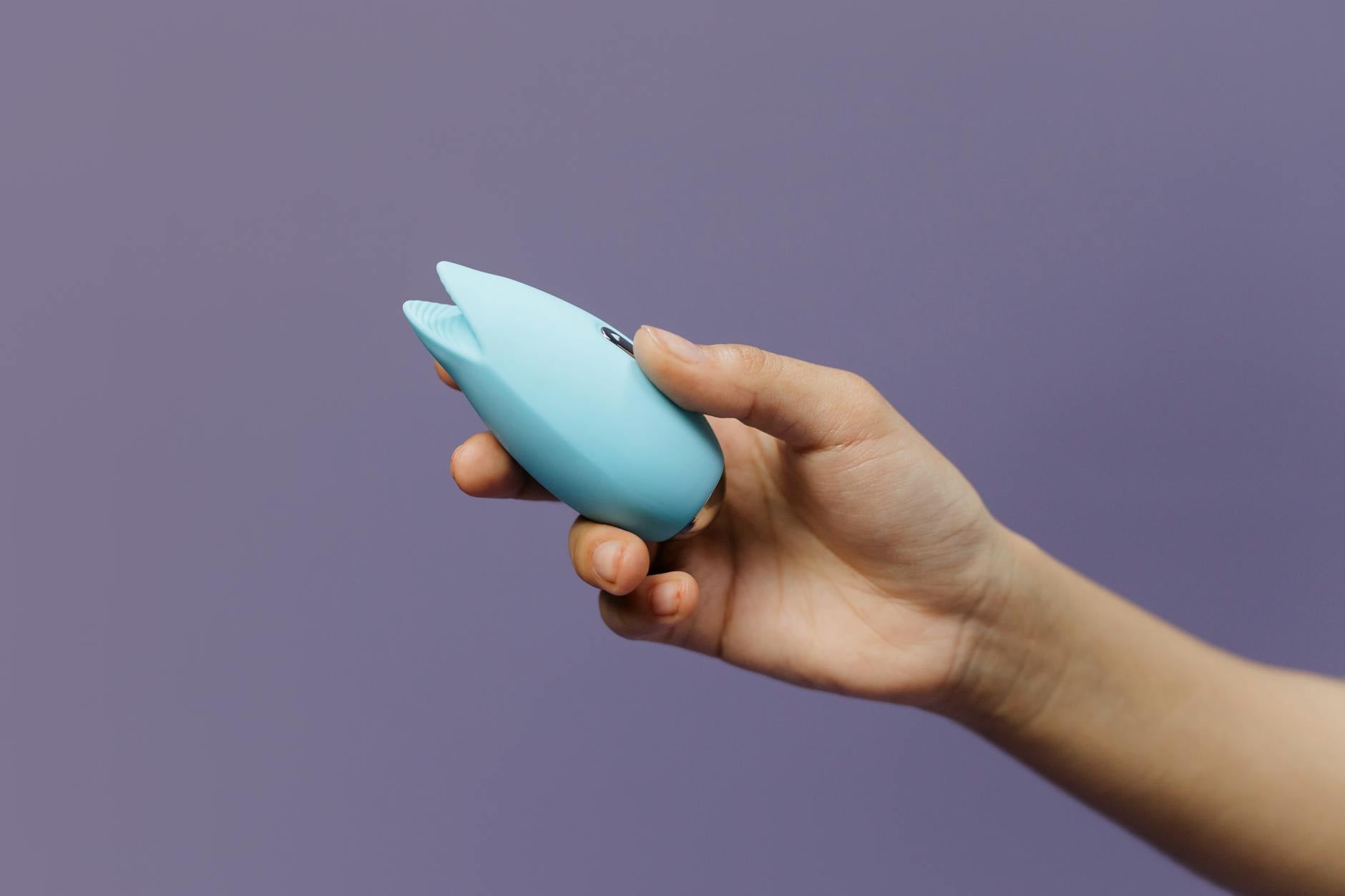
Here's the thing about sensitive clitorises
Not all vibrators are built the same. Neither are all clitorises. When you have sensitive tissue, a high-powered lemon vibrator running at full intensity feels like someone's trying to sand your nerve endings, not stimulate them. The solution isn't to grit your teeth and get used to it. The solution is to pick a different tool.
I work with partners all the time who assume vibrators aren't for them because one toy left them wincing. What usually happened is they grabbed whatever was closest, cranked it to max, and called it a day. That's not a flaw in vibrators. That's a mismatch between the tool and the nervous system using it.
Why sensitivity happens (and what it actually means)
Sensitivity isn't a bug. It's usually a feature. A sensitive clitoris often means you have high nerve density in that area, which can translate to faster arousal and more intense sensation when the right stimulation meets the right tissue.
Sensitivity can also show up for other reasons: hormonal changes, medication side effects, past tension held in the pelvic floor, or simply that your body is wired to respond more acutely to touch. None of these require you to accept less pleasure. They require you to be smarter about pattern, intensity, and delivery method.
The biggest mistake people with sensitive clitorises make is assuming they need to avoid vibrators altogether. In reality, they need lemon vibrators designed with a gentler entry point. That's where the distinction between air-suction and traditional vibration patterns becomes crucial.
Air-suction vs. direct vibration: which wins for sensitivity
Let's separate the two main technologies.
Direct vibration sends pulses or waves of movement through the toy into your tissue. It's efficient and straightforward. But if you have a sensitive clitoris, direct vibration can feel overwhelming, especially at higher intensities. The sensation is concentrated and relentless.
Air-suction stimulation (the technology behind lemon vibrators like the Lem) works differently. Instead of buzzing directly against tissue, it creates a gentle seal and uses pulsing air waves to stimulate the clitoris indirectly. The sensation is less pointed, more dispersed. It feels closer to oral sex than to a traditional vibrator, which is why many people with sensitive tissue find it far more comfortable.
For sensitive clitorises, air-suction usually wins. You get intense sensation without the sharp, sometimes overwhelming feeling that direct vibration can bring. The Lem starts at a whisper and builds upward. You're never forced into the deep end.
The pattern question: why intensity level matters more than you think
Inside a lemon vibrator like the Lem, there are multiple intensity levels and patterns. Level 1 might feel like a gentle hum. Level 8 might feel like someone's trying to get your attention in a crowded room.
For sensitive clitorises, you don't need all eight levels. You need the first three to be truly usable. A toy where Level 1 already feels too strong is the wrong toy, period. Don't force it. Don't assume you'll "get used to it." Return it and find one engineered for bodies like yours.
When you're shopping for a lemon clitoral vibrator, ask yourself: would I be happy using only the lowest settings? If the answer is no, if even the gentlest pattern feels sharp or uncomfortable, that toy isn't built for your sensitivity. Look for one that starts whisper-quiet and ramps up from there.
Materials and design: why some feel better on sensitive tissue
Silicone matters. Medical-grade silicone is smooth, non-porous, and doesn't harbor bacteria. It's also forgiving on sensitive tissue in a way that harder plastics aren't. When you're lemon vibrator shopping, medical-grade silicone should be the baseline, not a luxury.
Design also plays a role. A rounded head is gentler than a pointed one. A wider surface distributes pressure more evenly, which sensitive tissue prefers. Look at the shape of what's going to touch you. Does it taper to a sharp point? Does it have hard edges? That's friction and pressure concentration you don't need.
The Lem's design is broad and smooth, which is part of why sensitive users gravitate toward it. It's engineered to feel good from Level 1 onward, not to demand you white-knuckle through the low settings until you hit something tolerable.
Lubrication: the secret weapon for sensitivity
Here's what most guides skip over. Lube isn't just for penetration. Lube is your best friend if you have a sensitive clitoris.
A water-based lubricant reduces friction and makes air-suction feel even smoother. It also buffers sensation slightly, which sounds like it would make things duller. In reality, it makes them more comfortable, which usually means you can relax more, which usually means you get off faster and harder.
Use a small amount on the head of your lemon vibrator before you start. You'll notice the difference immediately. Everything softens. The sensation becomes rounder instead of sharp. You can spend more time exploring patterns instead of managing discomfort.
The warm-up question: why you need longer than you think
Sensitive clitorises often respond better to a longer arousal phase. Your nervous system needs time to shift from baseline to receptive. If you jump straight to a vibrator, even the gentlest one, you might feel overloaded.
Spend 10 to 15 minutes touching yourself without any toy. Explore the external and internal parts of your vulva with your hands. Get your blood flowing. Let your clitoris engorge naturally. Then, once you're already aroused, introduce the lemon vibrator at its lowest setting.
You'll be amazed at the difference. The same Level 3 pattern that felt sharp before arousal now feels perfect. Your body is ready to receive sensation instead of just processing it.
Testing before you commit: what you actually need to know
If you're buying from a retailer with a good return policy, use it. Order a lemon vibrator that sounds right, use it for a week, and decide. Yes, you can always return it. That's not cheating. That's being smart about your pleasure.
When you test a new toy, start low. Use it during a time when you're already aroused and relaxed. Don't judge the entire toy based on one session at Level 1. Some people need three or four uses before their body fully settles into a new sensation.
Pay attention to what feels good and what feels like too much. Sensitivity isn't about never hitting higher levels. It's about choosing tools where the lower levels are actually pleasant, so you can build up to intensity on your own timeline.
Communication with partners: the sensitivity conversation
If you're using a lemon vibrator with a partner, they need to understand that your sensitivity isn't about them doing something wrong. It's about your nervous system having particular needs.
A simple conversation: "I really like vibration, but I need to start low and build up. Can you help me find my sweet spot?" Most partners are relieved to have clarity instead of guessing whether you're enjoying yourself.
If you're introducing a lemon clitoral vibrator to your routine together, let them watch your face and listen to your breathing. They'll learn pretty quickly which patterns make you lean into pleasure and which ones make you tense up. That feedback is gold.
Brands and models worth considering
The Lem is a smart choice for sensitive users because it was literally engineered to feel good from Level 1 upward. It starts gentle and layers in complexity as you climb the intensity ladder.
Other clitoral vibrators like the Uno or Berri offer traditional vibration at lower power outputs, which can work if you want that buzzing sensation but need it dialed back. The key difference is air-suction versus vibration. Know which one appeals to your body.
Final thought: sensitivity is not a limitation
Sensitive tissue is not a problem to solve. It's part of your pleasure map. The right lemon vibrator isn't a workaround. It's the key that makes everything click. You deserve a toy that feels good from the first moment you use it, not one you have to earn pleasure from. Choose accordingly, test honestly, and don't settle for anything that doesn't feel right.
People also ask
Can you use a regular vibrator if you have a sensitive clitoris?
Yes, but you need to be intentional about which one. The key is starting at the lowest intensity setting and making sure that lowest setting actually feels pleasant, not just tolerable. Direct-vibration toys often have more power baked into their "low" setting than air-suction toys do. If you've tried a regular vibrator and found even Level 1 uncomfortable, an air-suction lemon vibrator might be the better fit. The sensation profile is gentler, which suits sensitive tissue better.
Does lube really make a difference with a sensitive clitoris?
Absolutely. Water-based lubricant reduces friction and creates a smoother sensation overall. With a lemon clitoral vibrator, a thin layer of lube on the head softens the sensation just enough that many people with sensitivity find they can relax more and enjoy the experience longer. It's not masking pleasure. It's enabling it by removing the minor discomfort that sometimes comes with direct contact.
How long does it take to adjust to a new lemon vibrator?
Most people know within two or three uses whether a toy is right for them. Give yourself at least a week of exploration before deciding. Your sensitivity might feel different depending on your cycle, stress levels, and arousal state. Some toys feel too intense on day one and just right on day four. Patience matters, but if something genuinely doesn't work after a week of trying, return it and try something else.
Is air-suction stimulation always better for sensitivity than vibration?
Not universally, but it's a strong match for most people with sensitive clitorises. Air-suction feels less pointed and more dispersed, which suits sensitive tissue. That said, some people with sensitivity actually prefer gentle vibration because it's more predictable. The only way to know is to test both and see which your body responds to. Don't assume all sensitive bodies have identical preferences.
Should I use a lemon vibrator every time I masturbate if I'm sensitive?
No. Clitorises are like any other part of your body: they can get a little fatigued with overuse. If you're using a vibrator daily, mix in some sessions with just your hands or a partner's touch. This keeps your nerve endings fresh and prevents desensitization. Using a lemon vibrator a few times a week, combined with other forms of stimulation, tends to feel better in the long run than relying on it constantly.
What if my sensitivity changes throughout my cycle?
It probably will. Hormonal fluctuations affect clitoral sensitivity, especially around ovulation and menstruation. You might find that a certain intensity level feels perfect mid-cycle and overwhelming a week later. This is normal. Some people keep different toys on hand for different parts of their cycle, or they adjust their lemon vibrator settings based on where they are. The more you pay attention to these patterns, the better you can work with your body instead of against it.
How to talk to your partner about sensitivity and vibrators
If you're in a relationship and want to introduce a lemon clitoral vibrator, frame it as something for both of you to enjoy together, not as a Band-Aid fix for something "missing." A conversation might sound like: "I'd like to explore what feels best for my body. Want to help me figure it out?" Most partners appreciate the invitation. They get to be part of your pleasure instead of wondering if something's wrong.
References
Information in this article is drawn from clinical research on clitoral sensitivity, sex toy design standards, and conversations with people who use lemon vibrators regularly. The distinction between air-suction and direct vibration technology comes from product engineering specifications. Recommendations around warm-up time, lubrication, and sensitivity patterns reflect evidence-based guidance on sexual response cycles and pelvic tissue care.
For more on how external factors affect your pleasure, see our guides on how lemon vibrators feel different when you're stressed or anxious and why lemon vibrators feel different at different times of your cycle. If you're navigating sensitivity changes after a health event, lemon vibrators after pelvic floor therapy covers recovery-specific guidance.
Have questions about which Hello Nancy tool might work for your body? Get in touch. We're here to help you find what feels right.